

The Power Bottleneck: What It Costs You and How to Kill the Risk in Three Moves
The risk, in one sentence
Ohio's grid debate isn't your problem. A stalled site is.
Utility upgrade timelines are now routinely outrunning construction schedules by months. If you find that out after you've bought the site, it's your delay. If you find it out before, it's a negotiating point.
Three moves. Do them before the purchase agreement, not after.
Get the real number, not the marketing number.
Every site lists an "available capacity" figure. It's frequently wrong. Request the utility's actual load study and interconnection queue status for the specific parcel. Takes days. Costs nothing. Tells you if the deal is real before you spend money finding out the hard way.Put two timelines side by side. Utility upgrade vs. construction schedule.
14-month utility upgrade against an 11-month build isn't a rounding error; it's a dead project unless you catch it now. Get the utility's timeline in writing. Compare it directly to your schedule. Treat a mismatch as a deal term, not a surprise.Make utility coordination someone's job on day one, not a task nobody owns until it's late.
On most projects, utility coordination has no owner until it becomes urgent. Fix: the team pricing and scheduling the building should be the same team pushing utility coordination forward from week one. That's a structural fix, not a hope.
What this looks like on a real deal
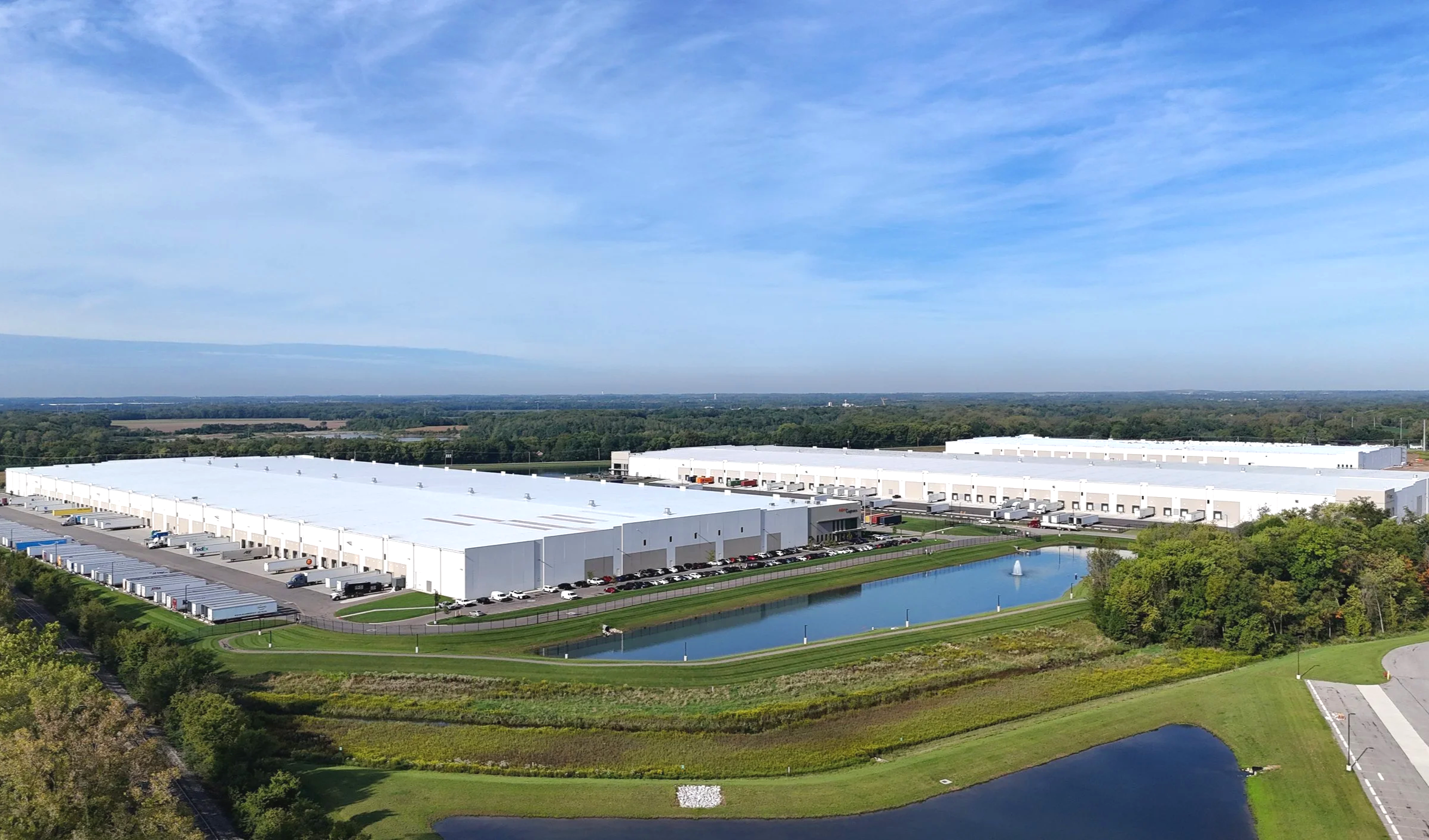
250,000 SF supplier facility, Intel or Honda-LG corridor. The developer who wins isn't the one who found the cheapest land. It's the one who had a written capacity confirmation and a timeline comparison in hand by week two, because their construction partner was in the room during site selection, not called in after close.
Cost of doing this: a few weeks of coordination up front. Cost of skipping it: months of exposure, discovered after you're committed.
The takeaway
You don't need to win the grid argument. You need three answers before you sign: real capacity, real timeline, real owner. Get those, and the statewide fight stops being your risk to carry.
FAQ
How do I verify real power capacity before I commit to a site?
Pull the utility's actual load study and interconnection queue status for that parcel, not the general "available capacity" number. Do it during site evaluation, before the purchase agreement, through your construction or engineering partner.How do I stop a utility delay from blowing up my schedule?
Get the utility's upgrade timeline in writing. Line it up against your construction schedule before groundbreaking. A mismatch is a reason to renegotiate or reconsider, not something to absorb mid-build.Does design-build actually fix the coordination gap, or just relabel it?
It fixes it structurally. The team owning your estimate and schedule also owns utility coordination from day one, because a utility delay is now their schedule risk too, not a separate track nobody's tracking.Is this going to get worse before it gets better?
Statewide, uncertain. On your specific site, irrelevant; if you verify capacity and timeline before you commit capital, the broader fight doesn't touch your project.
Ready to build a relationship and your next project? Contact EXXCEL's team to talk through your next facility.