

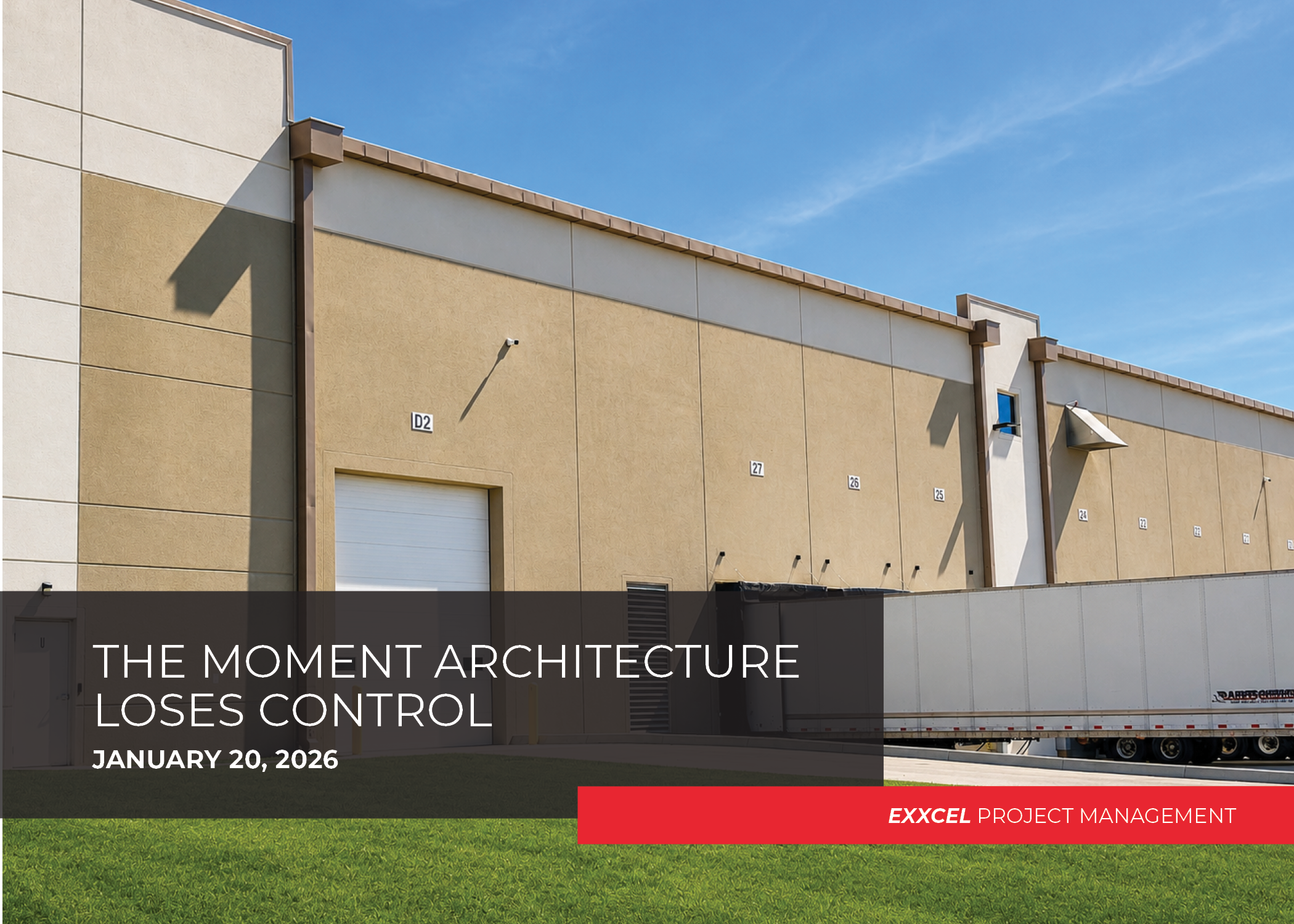
The Moment Architecture Loses Control
The Moment Every Architect Knows
The drawings are done. The concept is approved. The client is excited. For a brief, fleeting moment, the project feels complete, as if the vision is safe from compromise. Then reality arrives. Questions about budget, materials, schedule, and logistics begin to surface. Not because the design failed, but because the world beyond the drawing board has its own rules, constraints, and pressures. That tension, the gap between vision and execution, is the moment that determines whether a project succeeds or becomes a series of compromises.
Shared Responsibility, Shared Pressure
Architects carry a unique responsibility. They are accountable for vision, function, and intent, translating abstract goals into a tangible, usable space. But once construction begins, control becomes shared. Timelines stretch, budgets tighten, and unforeseen circumstances appear. Too often, when things don’t go perfectly, design is blamed first, even when nothing went wrong conceptually. That quiet pressure shapes every decision, every detail, every contingency. Architects design defensively because the stakes are high, not because they lack creativity, but because unknowns multiply too late in the process.
Timing Matters More Than Ideas
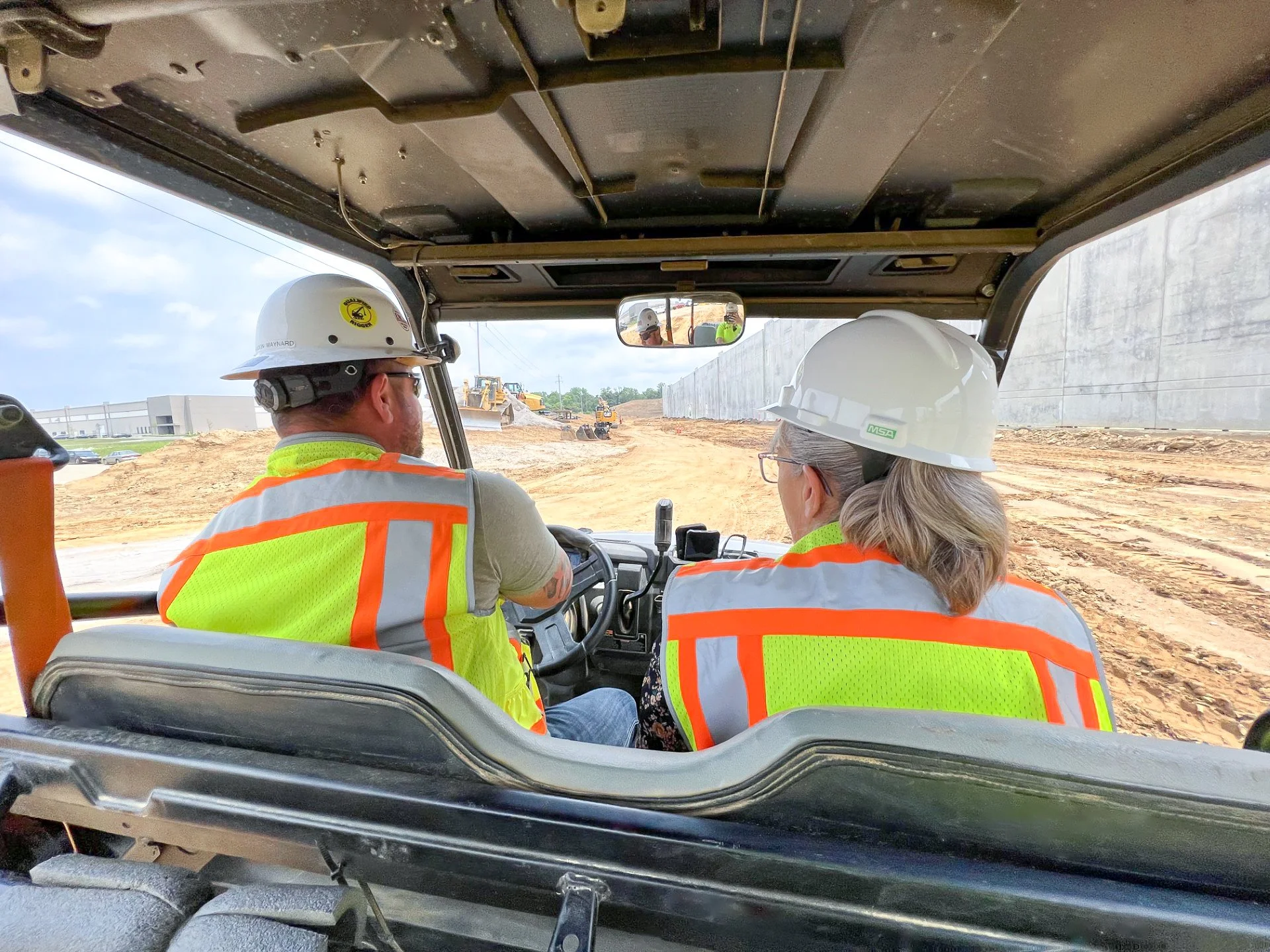
Most erosion of design intent doesn’t come from poor ideas, it comes from introducing construction realities too late. Late-stage value engineering can feel less like collaboration and more like compromise. Constructability questions arise when flexibility is gone, and budget conversations become reactive instead of strategic. At this stage, decisions shift from solving design challenges to managing survival: what can be preserved, what must be cut, and how to protect the original vision under pressure. That isn’t a design problem. It’s a timing problem.
Early Collaboration Changes Everything
When real-world constraints are introduced early, everything changes. Architects gain clarity, control, and the freedom to design deliberately rather than defensively. Early cost modeling informs decision-making. Constructability feedback refines intent instead of erasing it. Assumptions are made explicit, not discovered under stress. The result is fewer surprises, fewer revisions, and design that holds together through the chaos of execution.
Partners, Not Replacements
Architects don’t need someone to take over their work. They need partners who respect the vision and protect it. The most effective collaborators help identify risks early, provide honest tradeoffs, and solve problems in ways that preserve function, quality, and intent. Value engineering isn’t about removing ideas, it’s about ensuring they survive reality. Collaboration isn’t just helpful; it’s protective.

EXXCEL’s Approach: Protecting Design, Together
At EXXCEL, we approach projects with that perspective. Engaging early, clarifying assumptions, and aligning cost, schedule, and constructability allows the original intent to guide the project from start to finish. We reinforce design, reduce surprises, and let architects feel confident that what they designed will be realized as intended.
When Design Meets Reality
When design meets reality, the difference between compromise and execution comes down to systems, alignment, and collaboration. Projects succeed when uncertainty is managed early, not reacted to late. Architects who see these systems in motion gain confidence, clarity, and the satisfaction of knowing their design can survive the pressures of reality. Because in the end, great design deserves a better ending. And when reality arrives, the right approach ensures that it does.