

Why Cold Storage Energy Costs Spiral Out of Control
Why Energy Costs Keep Rising
Demand for refrigerated space is growing with online grocery, supply chain modernization, and life sciences. At the same time, facilities face:
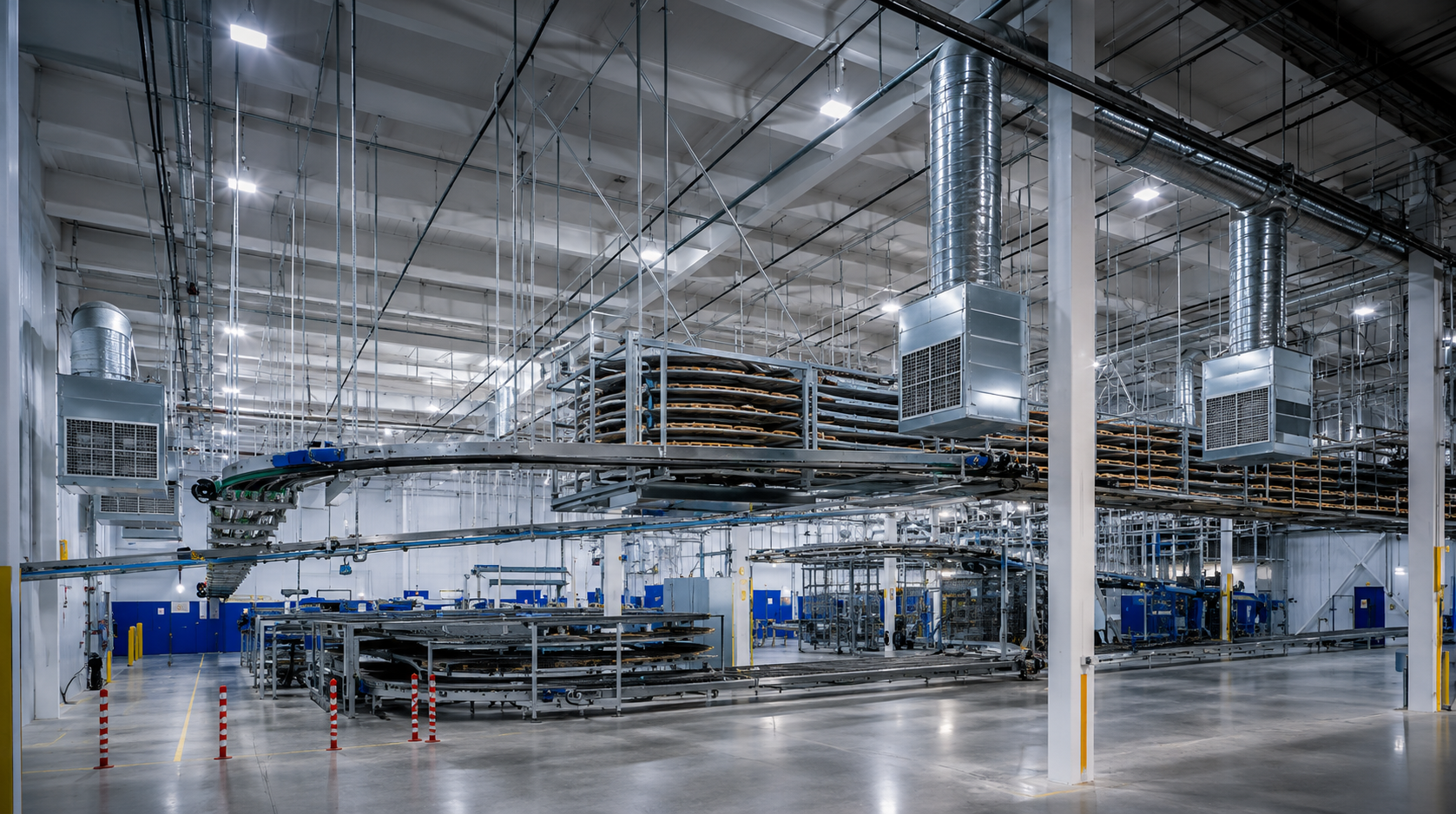
More temperature zones
Greater automation
Stricter food safety and uptime standards
Utilities face grid constraints and rising electricity prices. Energy is no longer just a cost; it’s a strategic risk.
Decisions That Lock in Costs
Energy performance depends on the whole building, including:
Building Envelope: Walls, roofs, and insulation control heat entry. Small shortcuts can increase loads for decades.
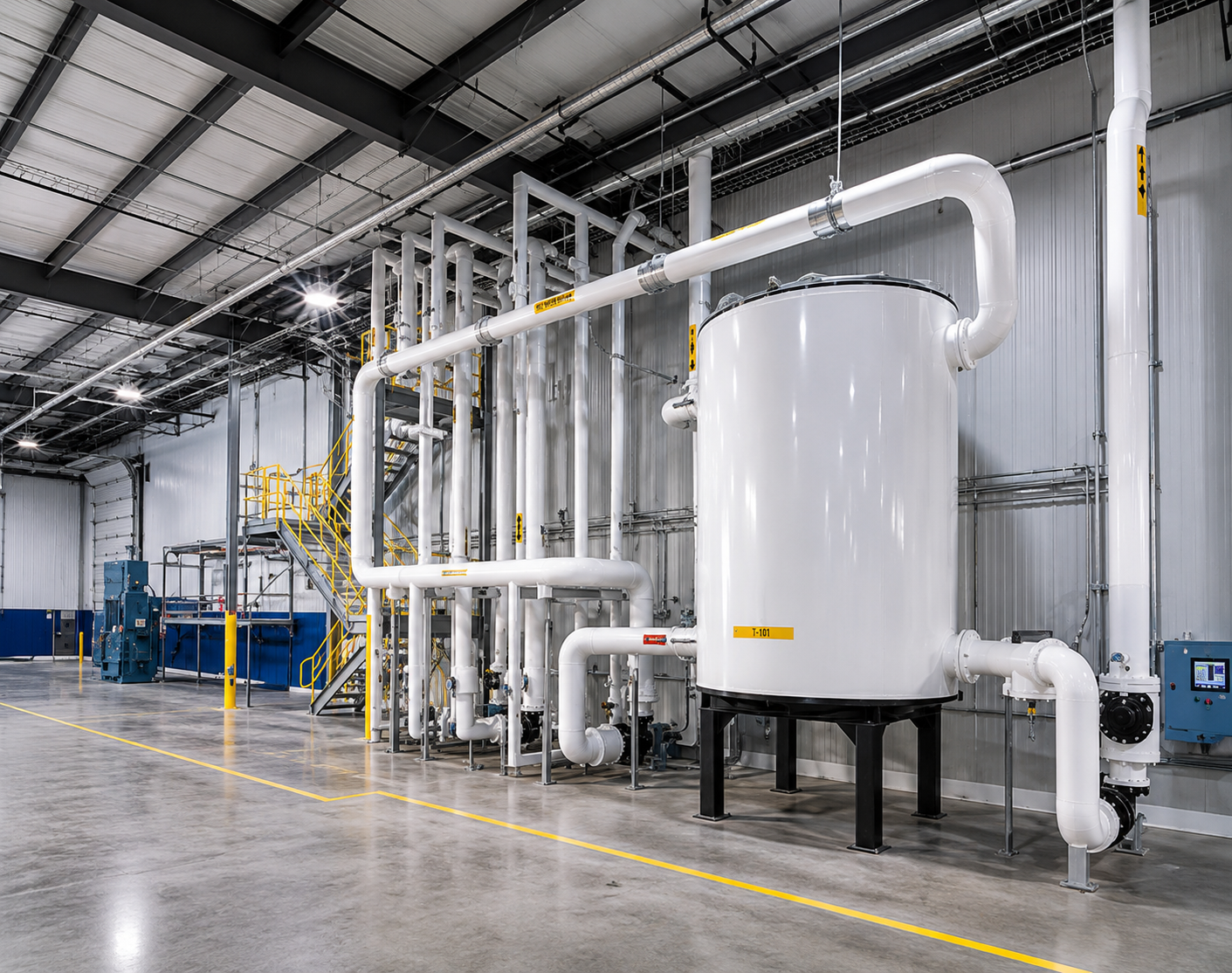
Refrigeration Systems: Design affects efficiency, redundancy, and operating costs.
Controls & Monitoring: Advanced sensors and commissioning ensure systems run efficiently.
Operational Flow: Layouts impact door openings, temperature swings, and refrigeration demand.
Waiting until late design to address energy is risky; many critical decisions are already locked in, and changes can be expensive or impossible.
What Smart Owners Do Differently
Leading developers treat energy like a long-term financial strategy:
Optimize the building envelope
Select refrigeration systems based on lifecycle cost
Integrate controls early
Align structural, mechanical, and operational decisions
Plan for future expansion and evolving regulations
Integrated Delivery Matters
Cold storage is complex. Silos between design, engineering, and construction can create costly surprises. Integrated teams:
Evaluate energy performance early
Align cost with long-term efficiency
Reduce redesign and change orders
Maintain schedule certainty
Start the Conversation Early
Energy strategy should begin on day one. Early decisions give owners control over cost, schedule, and efficiency.