

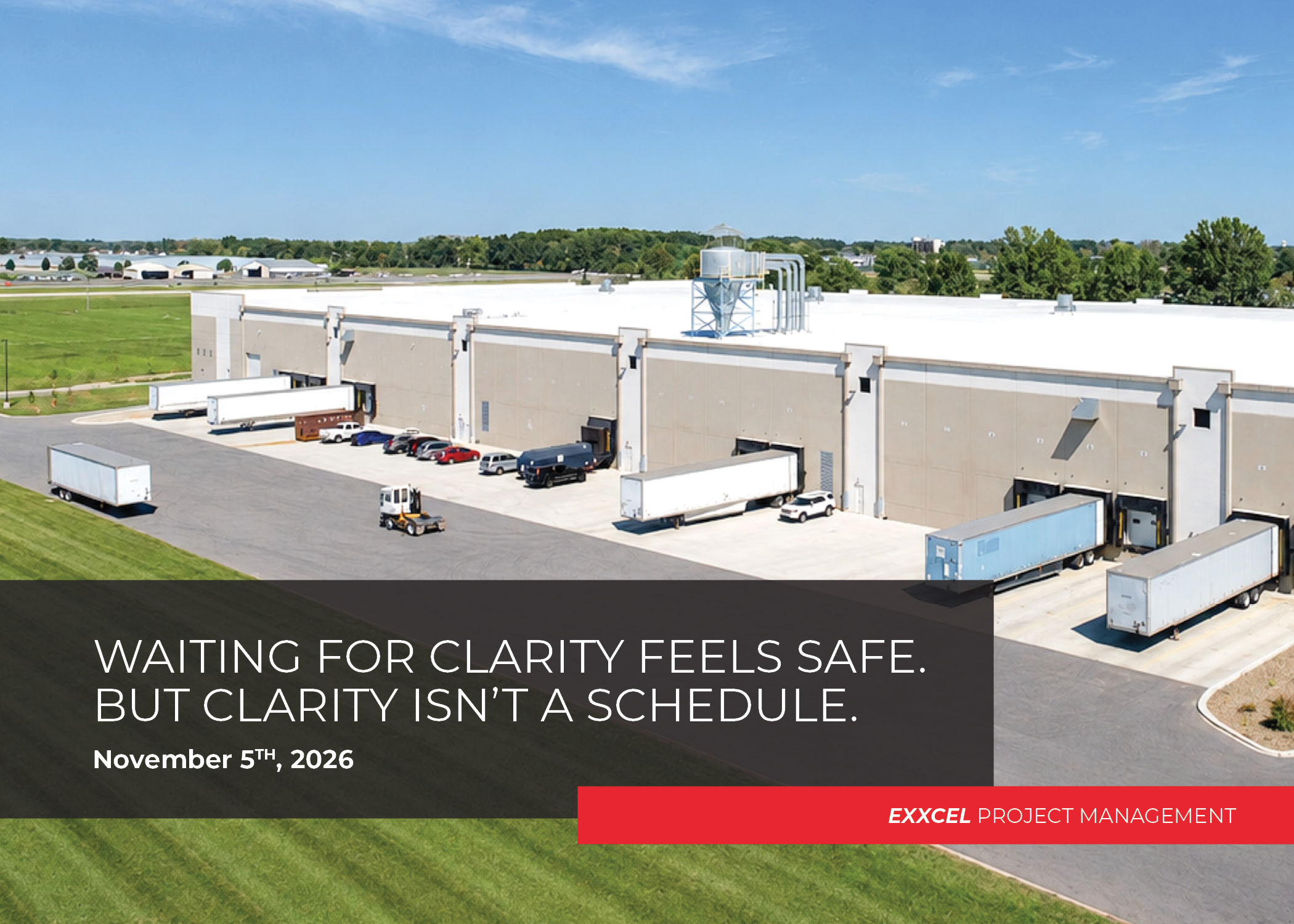
Waiting for clarity feels safe. But clarity isn't a schedule.
Ohio elected a new governor this week (ABC News). By law, the new term starts the second Monday in January, January 11, 2027 (Ohio Revised Code 107.01). Between now and then, some projects will drift into "let's see how things shake out."
That's a normal instinct, but it's also worth questioning, because the things that actually set your timeline aren't on the ballot.
Elections do slow investment
Research supports the instinct you’re feeling. A Journal of Finance study of national elections around the world found that firms cut investment by about 4.8% in election years, holding back until the uncertainty is resolved (Julio & Yook, via London Business School). That study looked at national elections, not state ones, but the pattern will look familiar to anyone in economic development.
Site selectors hear it constantly. René Buck, CEO of BCI Global, says companies "keep asking us one question: Should we wait until after the elections?" His answer is no: the vote "will not decide whether your project makes sense" (Area Development).
The clock keeps running while you wait
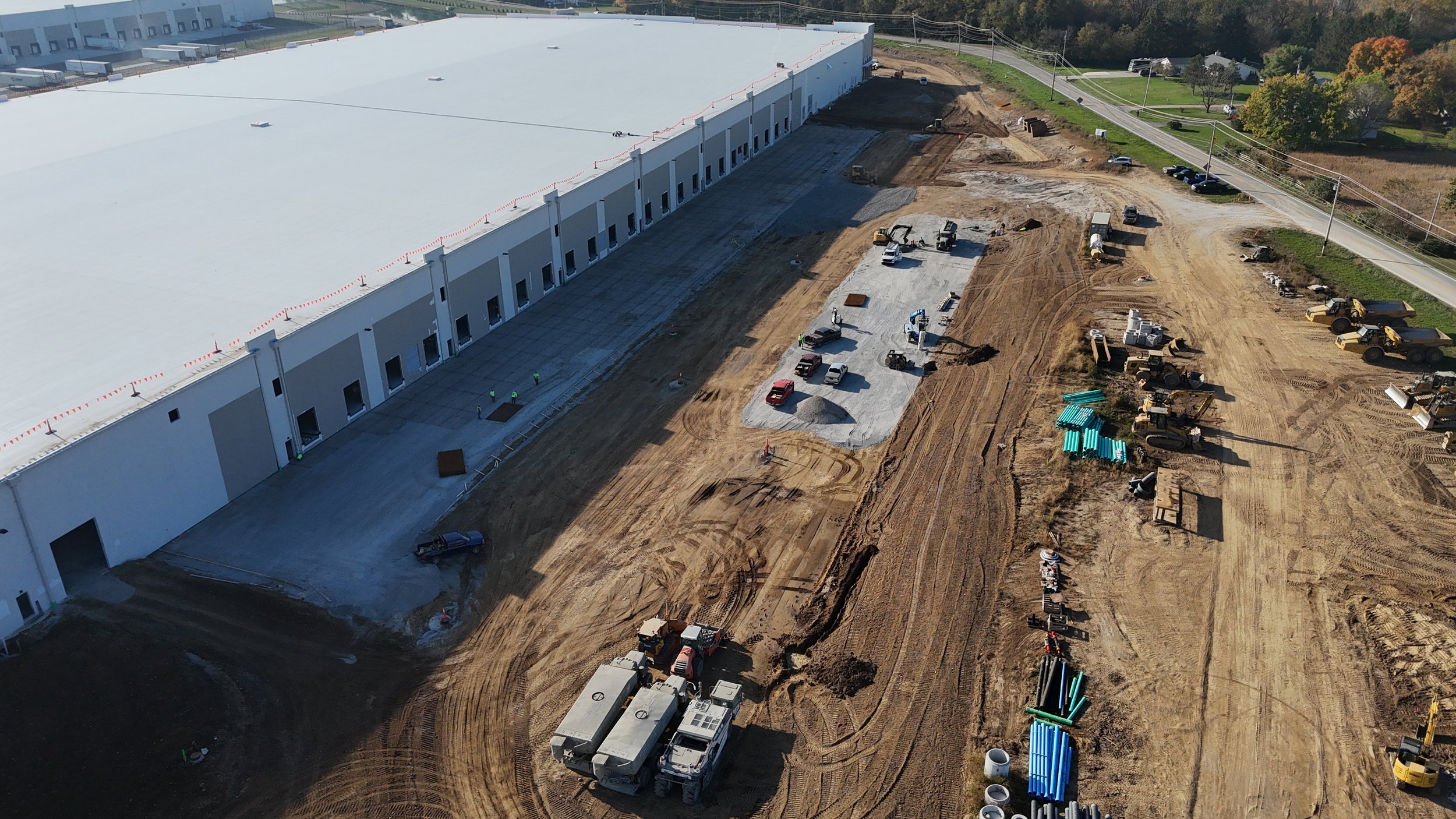
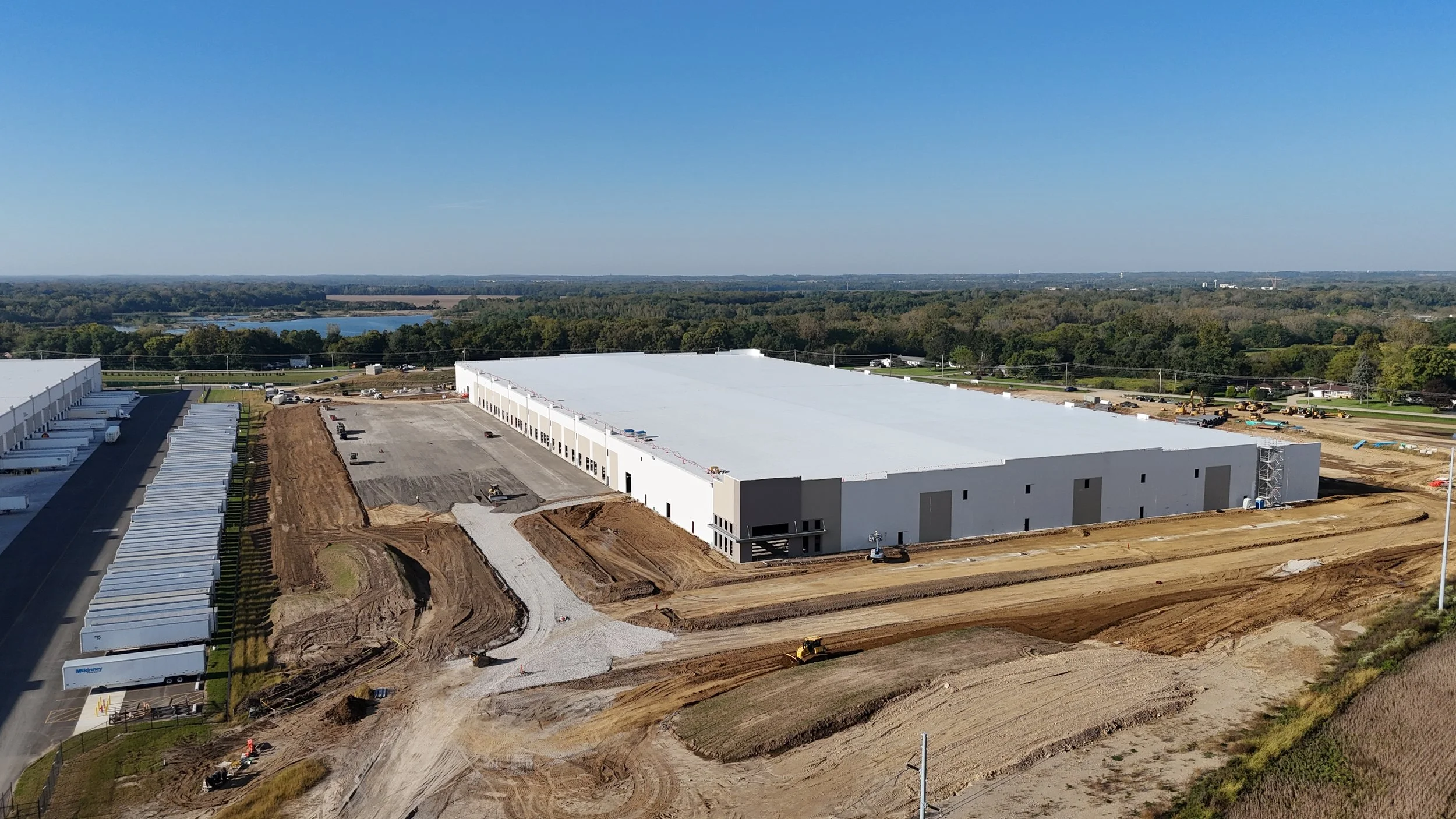
What doesn't pause for an election are lead times and contractor calendars.
The biggest contractors are getting fuller. ABC's backlog indicator hit 8.7 months in September. Contractors with data center work averaged 11.3 months, about three more than those without, and 39% of firms over $100 million in revenue have that work (ABC).
Electrical gear takes most of a year. Switchgear averaged 44 weeks in Wood Mackenzie's Q2 2025 survey (POWER Magazine). And you can't order it until it's designed.
If paused projects restart around the same time, they'll compete for the same crews, equipment, and plan reviewers. Nobody can promise that happens. But being ready for it costs very little.
Waiting is a goal. Preparing is a system.
"Wait until we know more" is a goal, and it depends on something you don't control. A system is different: it keeps you moving no matter what the headlines say.
Your soils, power load, building footprint, and permit path don't change with an election. These are no-regret moves:
Finish due diligence: Geotech, survey, and utility capacity.
Push design toward permit-ready: A go decision then means submitting, not starting.
Map your long-lead items: Know your switchgear and steel timelines before you need them.
Line up your builder early: Get real pricing and a real schedule, not placeholders.
If the project moves, you're months ahead. If it doesn't, you've invested in work that holds its value, and a studied, designed site is easier to market, sell, or reuse.
Want real lead times for your project?
Where EXXCEL fits
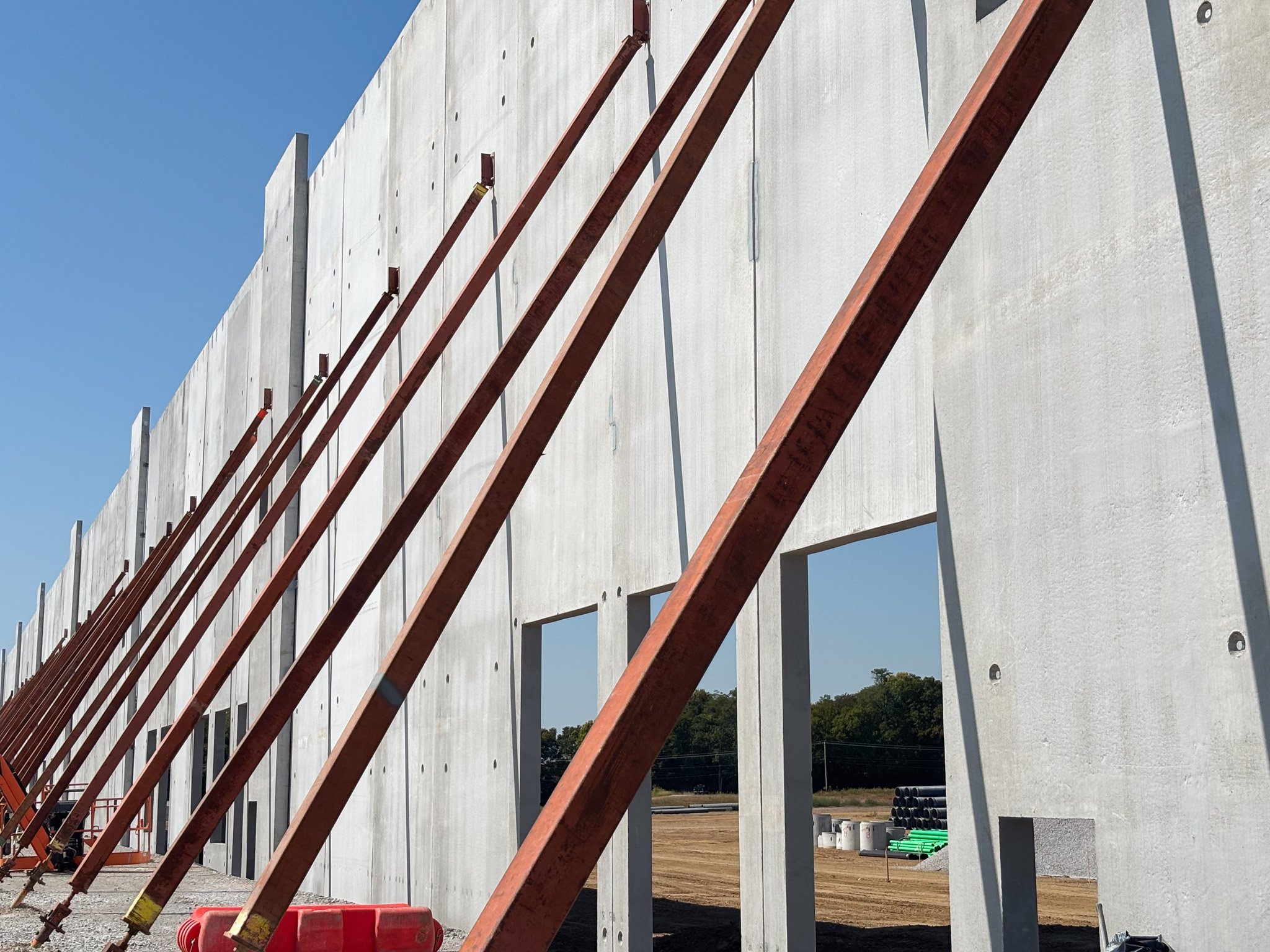
Design-build exists for exactly this. One team owns design and construction, so pricing, scheduling and long-lead procurement can start while design is still being finished.
Speed without precision just gets you to the wrong place faster. We bring both: a budget grounded in real numbers early, and a schedule built around actual lead times. As a Butler Builder, we can engage the steel manufacturer early, so building design and fabrication planning move together.
For economic developers, that means a prospect gets real answers on cost and timing instead of "we'll know after the new year." For private developers, it means decisions made on facts, not on the news cycle.
The election didn't decide whether your project makes sense. It doesn't set your lead times either. Preparation does.
Get answers on cost and timing before the new year.
Sources
Ohio 2026 midterm results, ABC News
Ohio Revised Code 107.01, governor's term of office
Political Uncertainty and Corporate Investment Cycles, Julio & Yook, Journal of Finance 67(1), 2012
Midterms: a checkpoint, not a verdict, for U.S. location decisions, Area Development, Q4 2026
ABC's Construction Backlog Indicator rises again in September, Associated Builders and Contractors, Oct. 13, 2026
Transformers in 2026: shortage, scramble or self-inflicted crisis? POWER Magazine