

What 35 Years of Construction Projects Taught Us
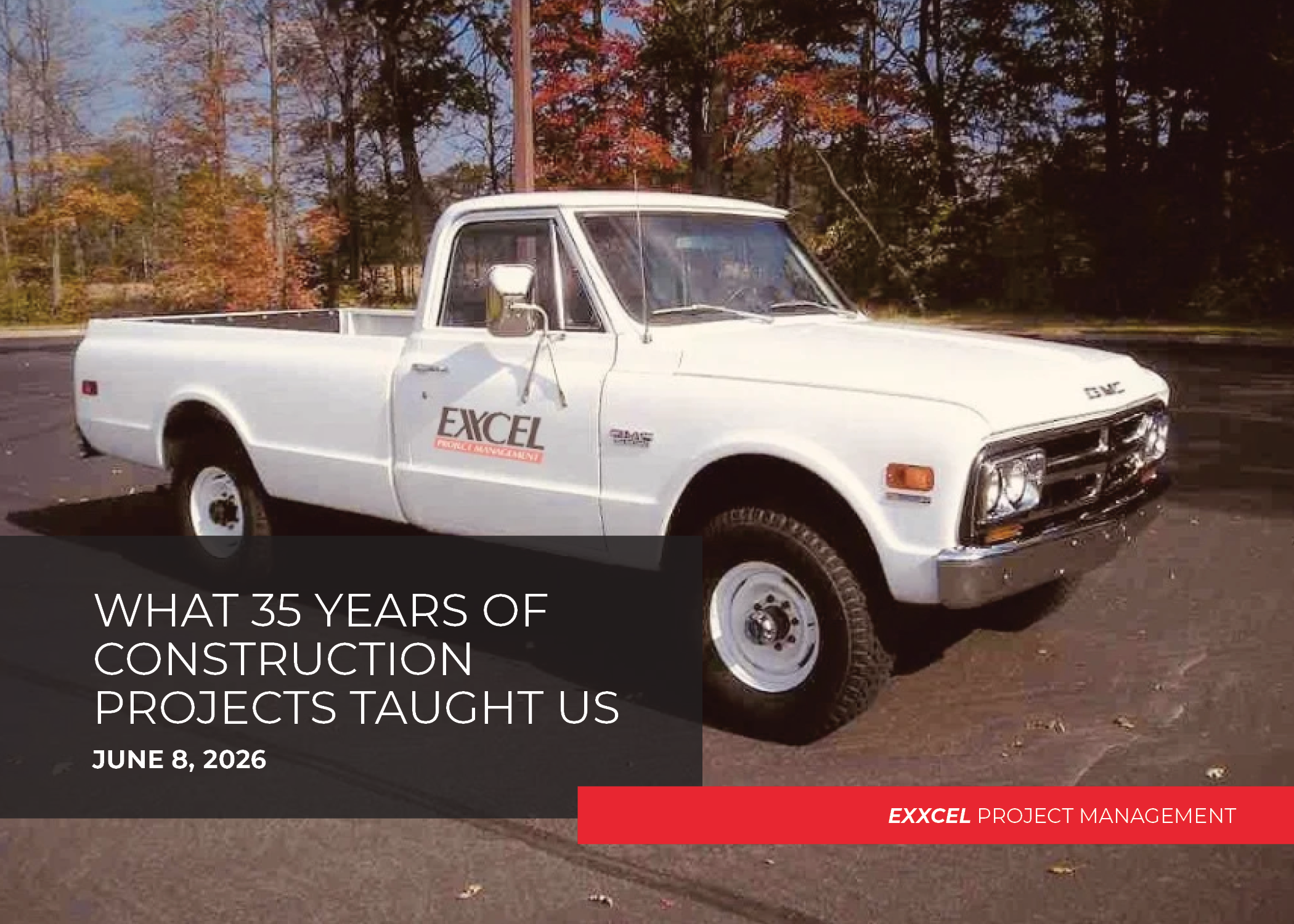
Thirty-five years is a long time in any industry. In construction, it’s long enough to have built through recessions, material shortages, supply chain crises, labor market shifts, and multiple cycles of technology change. It’s long enough to have seen what separates projects that go well from projects that don’t.
Over that time, we’ve built manufacturing facilities, warehouses, distribution centers, cold storage buildings, office environments, and mixed-use commercial projects across Ohio and beyond. We’ve worked with business owners, developers, brokers, and corporate real estate teams.
What follows are the things we’ve learned, not from textbooks, but from doing the work and paying attention to what actually mattered to the people we built for.
Clients don’t want to be construction experts.
This is the first and most consistent thing we’ve learned. The business owners and developers who hire us are not looking to become deeply educated in construction methodology. They have businesses to run, deals to close, operations to manage.
What they want is a partner they can trust to handle the complexity they don’t have time to understand and to be told clearly, in language that doesn’t require a construction dictionary, what decisions they need to make and when.
The contractors who serve clients well are the ones who understand that their job includes translation: taking a technically complex process and making it navigable for someone whose expertise lies elsewhere. The contractors who frustrate clients are the ones who expect clients to meet them on their technical turf.
The biggest source of construction disappointment is not what you’d expect
You might guess that the biggest source of client disappointment in construction is cost overruns, delays, or quality problems. Those matter, but the single most consistent predictor of a bad client experience is something more fundamental: a gap between what the client thought they were getting and what the contractor thought they were providing.
That gap almost always originates in the early stages of a project, when scope and specifications are being defined. When assumptions aren’t surfaced and documented, they quietly become time bombs that detonate later as change orders, disputes, and budget overruns.
The lesson from thirty-five years is this: the time invested in thorough preconstruction work, in really defining scope, surfacing assumptions, and documenting decisions, pays back many times over in the construction phase. Shortcuts taken at the beginning don’t save time. They create problems.
The most expensive construction project is almost never the one with the highest bid. It’s the one where the scope was poorly defined at the start.
Business owners care about their operations more than their building
This sounds obvious, but its implications are significant.
A client who is expanding their manufacturing operation is not primarily thinking about the building. They’re thinking about what happens to their production schedule during construction, when they can bring in new equipment, how their team will navigate the transition, and when the new facility will be ready to generate revenue.
The building is the means. The operation is the point.
Contractors who understand this orient their project management around the client’s operational timeline, not just their own construction schedule. They treat minimizing business disruption as a deliverable, not an afterthought. They design phasing plans that protect the client’s ability to operate throughout the construction process.
The business owners who remember a construction project positively are almost always the ones who felt that the contractor was protecting their business, not just building a building.
Value engineering done early is different from value engineering done late
Value engineering, the process of finding ways to achieve the same functional outcome at lower cost or with better performance, is genuinely valuable when it happens at the right time.
The right time is before the design is finalized. When VE happens during the preconstruction phase, it influences decisions that haven’t been locked in yet. The savings are real and clean. The alternatives are considered in full context.
Value engineering done after construction documents are complete is a different animal. Changes are expensive because designs have to be revised. Subcontractors have to be re-solicited. And the changes often feel like cuts rather than optimizations, because the context for the original decision has been lost.
After thirty-five years, we approach every project with VE as a preconstruction discipline, not a construction-phase adjustment. The difference in outcome, for both the client’s budget and the quality of the finished building, is consistently significant.
Relationships are the real product
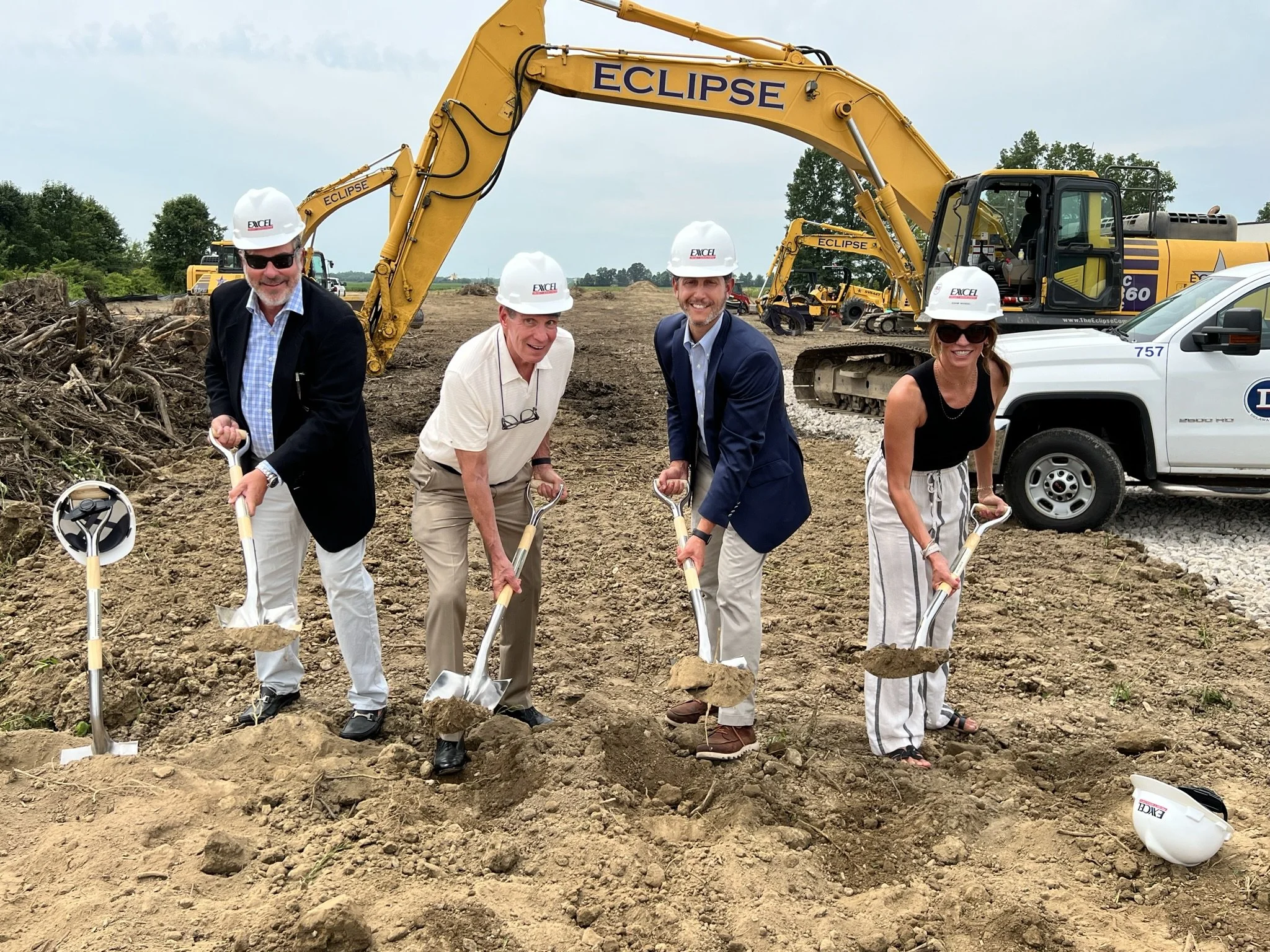
The buildings we’ve built still exist. Some of them have changed hands, been expanded, and been repurposed. But the thing that has driven EXXCEL’s growth over thirty years isn’t the buildings; it’s the client relationships that those buildings represent.
More than seventy percent of our business comes from clients we’ve worked with before, or from referrals those clients have provided. That number is not an accident. It’s the result of a deliberate choice to treat every project as the beginning of a long-term relationship rather than a one-time transaction.
What we’ve learned is that clients don’t come back because the building was great. They come back because the experience was different from what they expected, because they felt genuinely cared for, genuinely kept in the loop, and genuinely protected when things got complicated. Which, in construction, they always do.
What clients actually need, compared to what they thought they needed
Thirty-five years of projects have taught us that the fundamentals of what clients need haven’t changed much, even as the industry has changed significantly.
They need a partner who tells them the truth, even when the truth is uncomfortable. Who surfaces problems early rather than hoping they resolve. Who treats their business with the same urgency they would treat their own. And who is still a reliable partner when the job is done.
If you’re thinking about a construction project and want a conversation with people who have seen most of what can happen and know how to navigate it, we’d welcome that conversation.